Resisting Replacement: Artists at the Frontline of the AI Revolution
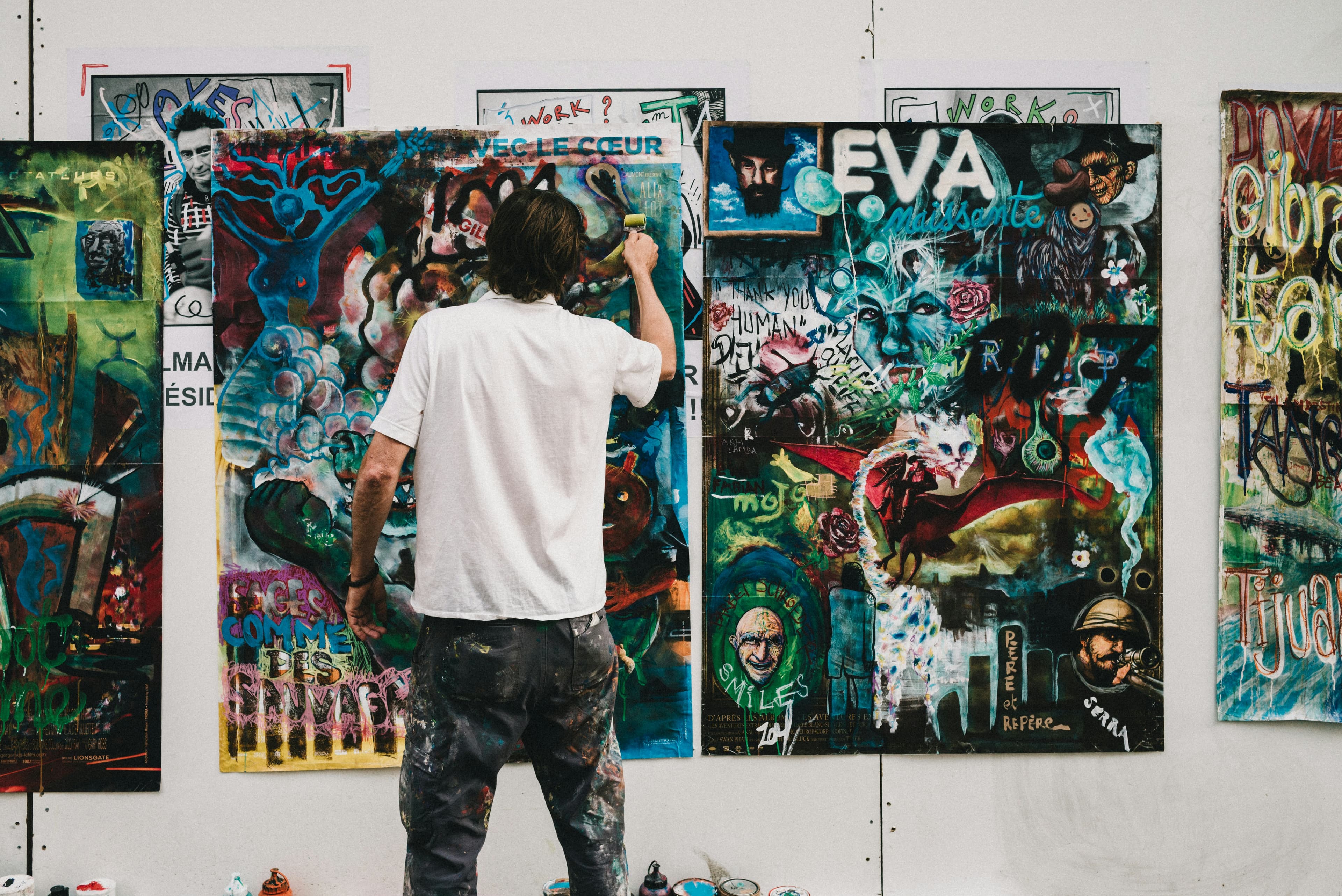
As AI becomes ever more capable of producing convincing artistic outputs, from images to music and more, a growing wave of artists is fighting back, arguing that human creativity remains unique, and pushing for legal and cultural protections against what they see as exploitation and replacement.
Grassroots Resistance and Cultural Backlash
Across social media platforms and creative communities, artists have mobilized under hashtags like #NoToAIArt and staged grassroots protests against generative AI tools that scrape and repurpose human work without consent. Digital creators argue that AI models trained on billions of images and artworks harvested from the web undermine artists’ livelihoods by mimicking styles without permission or compensation.
Platforms once celebrated as hubs of independent art sharing, such as ArtStation and DeviantArt, became flashpoints for this resistance. Independent artists flooded these sites in protest when AI‑generated images appeared on trending feeds, insisting that generative AI amounted to a form of creative theft.
Legal Battles Over Copyright and Consent
Some of the most visible resistance has moved into courtrooms. Artists such as Karla Ortiz and others have joined class‑action lawsuits against major generative AI companies—arguing that their copyrighted works were used without consent to train systems like Midjourney, Stable Diffusion, and DreamUp.
Visual artists have also sought class‑action damages and injunctions, asserting that unlicensed training of AI systems “repurposes” their work in ways that violate intellectual property rights and economic interests, a claim that has drawn broad public attention.
Cultural Campaigns and Celebrity Advocacy
On the cultural front, a major campaign called “Stealing Isn’t Innovation” made headlines in January 2026, backed by roughly 800 prominent figures including actors Scarlett Johansson and Cate Blanchett, musicians like R.E.M., and authors such as Jodi Picoult. The initiative criticizes AI firms for using copyrighted creative work without proper licensing and calls for enforceable rights for creators to decide how their work is used.
Campaign signatories argue that AI should operate on negotiated content licensing agreements and greater transparency—pushing the tech industry toward a consent‑based model that respects creative ownership.
Cultural Rejection of “Soulless” AI Works
Resistance isn’t only legal and political—artists and communities have publicly criticized AI art exhibits and commissions they view as shallow or disrespectful of cultural heritage. In Glasgow, a proposed AI‑designed mural was labeled “soulless” by local muralists who insisted that public art should reflect lived history and human creativity.
Meanwhile, playful and earnest artistic movements like hand‑drawn action figures have emerged in response to formulaic AI trends, championing the human touch as superior to prompt‑generated content.
Mixed Views Within Creative Communities
Not all creatives oppose AI outright. Some artists embrace it as a tool for expanding human expression, while others see potential in careful collaboration between humans and machines. The varied responses demonstrate that the debate is not a simple binary but a complex negotiation over ownership, ethics, and the role of technology in creative practice.
The Frontline: Future of Art in an AI World
As generative AI advances, artists on the frontlines are shaping how society defines creative labor and its value. Whether through lawsuits, public campaigns, protests, or cultural critique, they are resisting what many see as an unchecked technological takeover of creative expression, insisting that human artistry, with all its nuance and lived experience, cannot be replaced by algorithms.